Uneven spray paint ruins a project's finish, leading to wasted time and materials. This common frustration can be avoided with the right technique and equipment.
To get perfectly even coverage, maintain a consistent distance (6-8 inches), overlap each spray pass by 50%, and use a high-quality nozzle. Proper surface preparation and starting and stopping your spray off the object are also critical for a flawless finish.
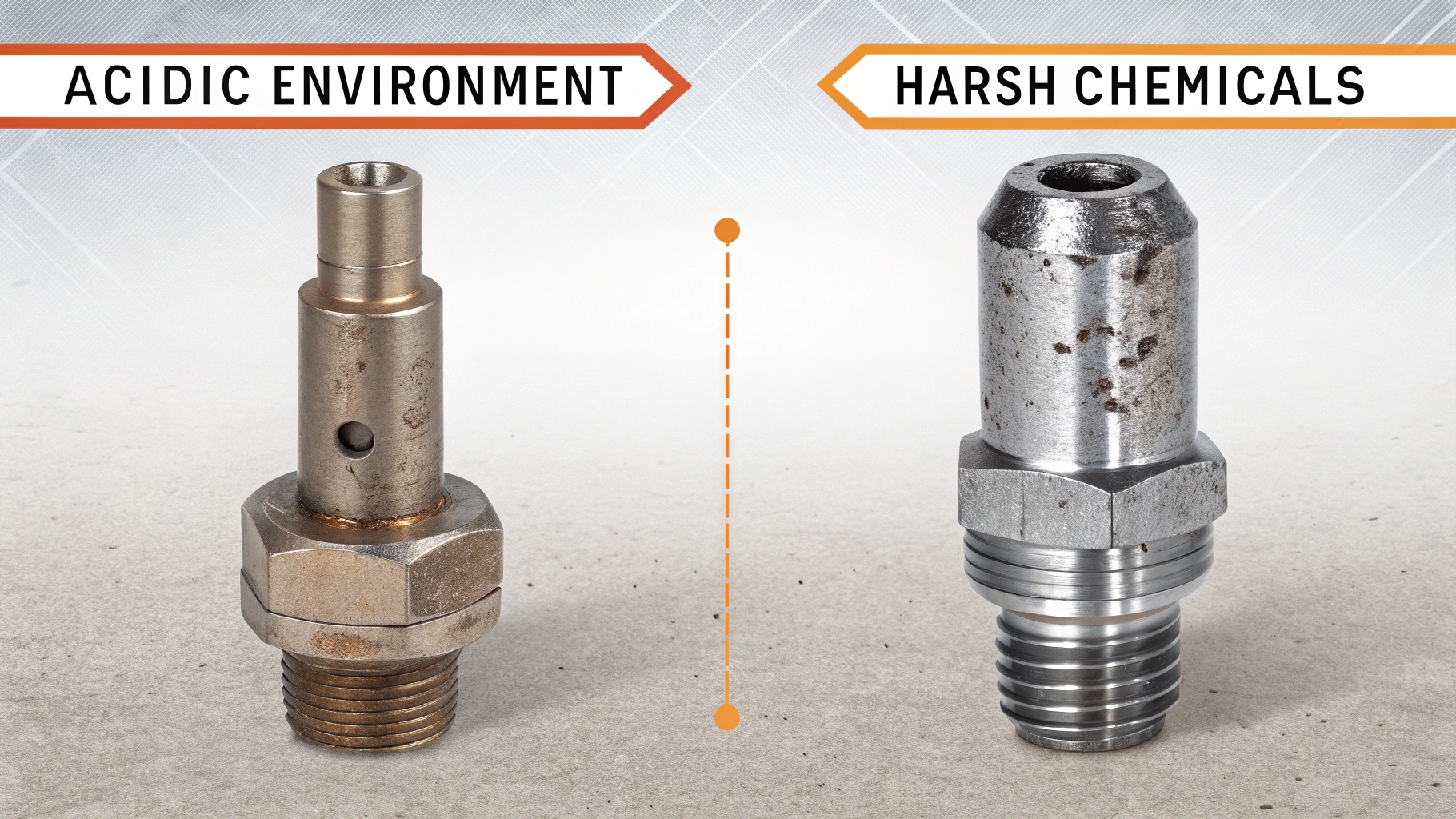
In my engineering career, I've seen countless automated and manual spray systems fail to produce a quality finish. The solution almost always comes down to mastering a few key principles and, most importantly, using a nozzle designed for precision1. Let's look at how to achieve that perfect, even coat every time.
How to get even coverage with spray paint?
Stripes and blotches from your spray gun can ruin an otherwise perfect surface. This forces you to sand and repaint, costing valuable time and effort. The secret to avoiding this is consistent motion.
To achieve even coverage2, move your entire arm at a steady speed3, not just your wrist. Keep the nozzle parallel to the surface at all times and overlap your spray passes by about 50% to seamlessly blend each stroke.
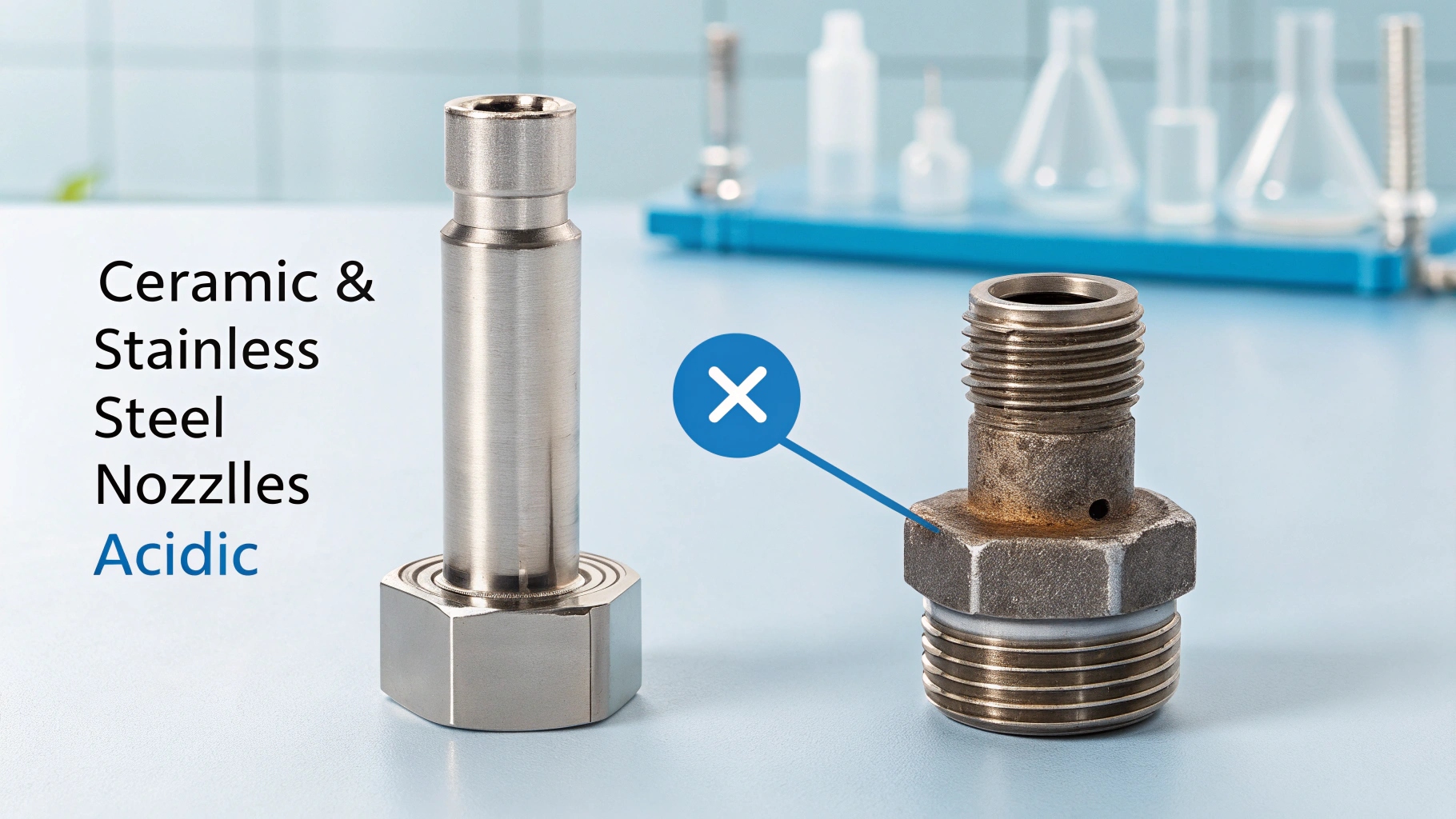
I once worked with a client whose robotic painting arm was producing striped finishes. They blamed the robot's speed, but the real culprit was the nozzle. It produced an inconsistent spray pattern4. We solved it by focusing on what I call the "three pillars of even coverage."
The Three Pillars of Even Coverage
These three factors are the foundation of any professional spray painting job.
| Pillar | Technique | Why It Matters |
|---|---|---|
| Consistent Distance | Maintain 6-8 inches (15-20 cm). | Too close causes runs and drips. Too far causes a dry, rough texture known as "orange peel." |
| Steady Speed | Move smoothly and continuously. | Prevents paint from building up in one spot, ensuring a uniform layer across the entire surface. |
| 50% Overlap | Aim the nozzle at the bottom edge of the previous pass. | This simple action blends each spray stroke into the next, eliminating visible lines or "striping" for a uniform look. |
Mastering these pillars is crucial, but they rely on your nozzle delivering a predictable, consistent spray pattern from start to finish.
What to do if spray paint is uneven?
You've just finished spraying, but the surface is patchy, with runs and drips. Now you're facing the nightmare of sanding and starting over. Don't worry, an uneven finish is often fixable.
If the paint is dry, you must wait until it fully cures. Then, lightly sand the uneven areas with fine-grit sandpaper (400-grit or higher), clean the surface thoroughly, and apply a new, light coat.
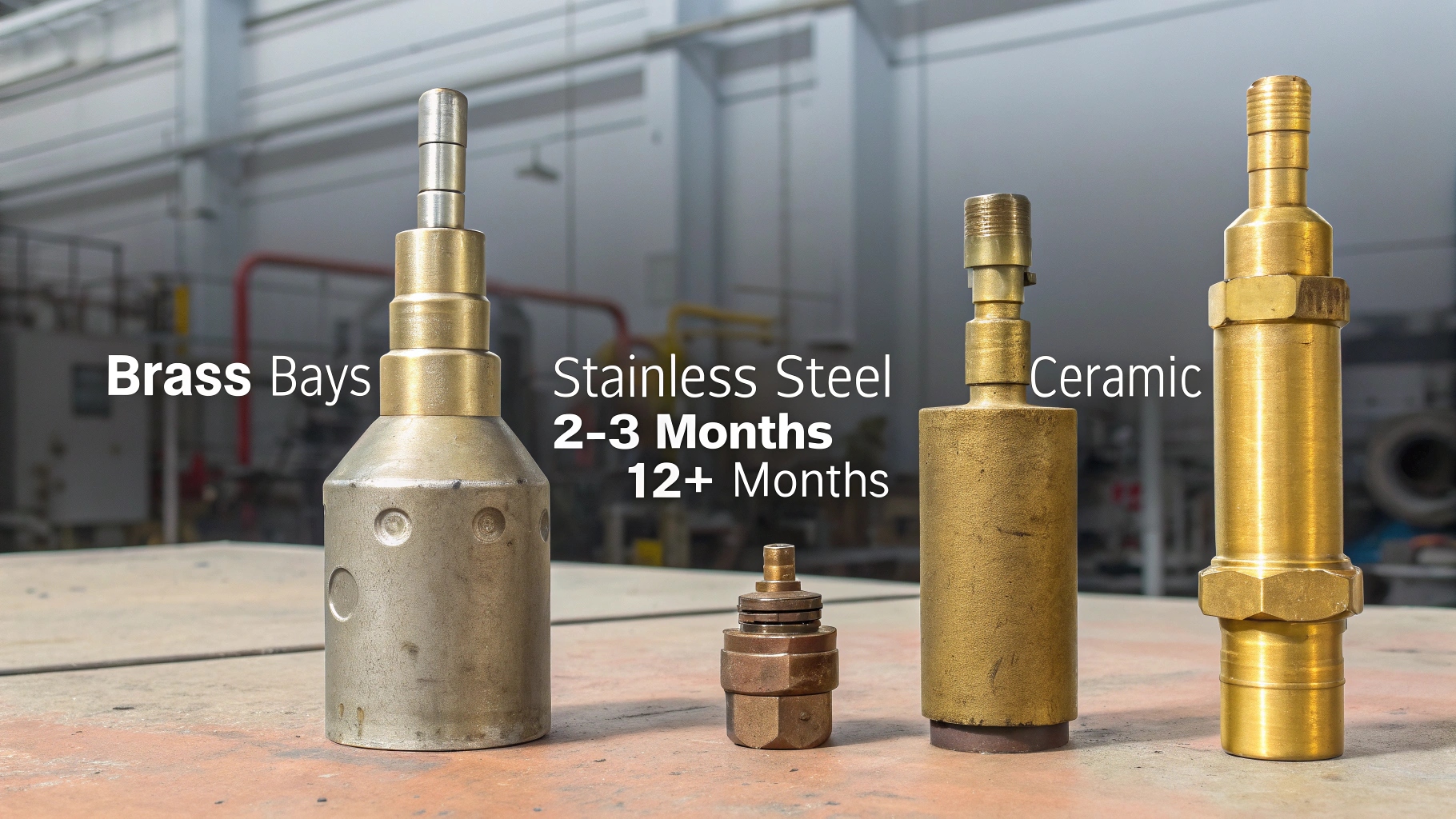
Fixing a bad paint job is a process I've guided many technicians through. It requires patience. Rushing the fix will only make it worse. Here is a structured approach to recover the surface.
Step-by-Step Correction Process
- Wait and Cure: Do not touch the wet paint. Let it cure completely. This can take anywhere from 24 hours to a week, depending on the paint and environment. Trying to sand tacky paint will create a messy, unsalvageable surface.
- Sand It Down: Once cured, use fine-grit sandpaper (400-grit or higher) to smooth out the imperfections. For high-gloss finishes, wet sanding with waterproof sandpaper creates a much smoother base for your next coat.
- Clean the Surface: After sanding, there will be a lot of dust. Use a tack cloth or a cloth dampened with a suitable solvent to remove all residue. Any remaining dust will ruin your next coat.
- Re-coat Carefully: Apply a light, even tack coat first, followed by one or two more light coats, ensuring you follow the "three pillars" we discussed earlier.
This recovery process highlights why getting it right the first time is so important. The root cause is often either poor technique or a faulty nozzle.
How to get a perfect finish with spray paint?
You want that smooth, factory-like finish, but your results end up looking amateur. This gap between expectation and reality is frustrating. A perfect finish is all about preparation and control.
For a perfect finish, start with a perfectly prepared surface—clean, sanded, and primed. Apply multiple thin coats5 of paint instead of one heavy coat, and control your environment to avoid dust and humidity.
I've learned that a "perfect" finish is 80% preparation and 20% application. When we design spray systems for clients in high-stakes industries like aerospace, we obsess over every detail before the paint even enters the spray gun.
The Path to a Flawless Finish
Here are the non-negotiable steps for achieving a professional-grade finish.
| Step | Action | The Engineering Reason |
|---|---|---|
| 1. Surface Prep | Clean, degrease, and sand the surface. Use the right primer for the material. | Paint needs a stable, clean, and slightly rough surface to adhere to mechanically and chemically. Primer ensures this bond. |
| 2. Environmental Control | Spray in a low-humidity, temperate (65-85°F), and dust-free area. | Humidity can cause the paint to cloud. Temperature affects drying time and flow. Dust creates imperfections in the final coat. |
| 3. Multiple Thin Coats | Apply one light "tack coat," then 2-3 more light coats, waiting 5-10 minutes between each. | A heavy coat is prone to running and uneven drying. Thin coats build up to a strong, even layer with better control. |
| 4. Finishing Touches | After the paint has fully cured, consider using a clear coat for protection6 and buffing for extra shine. | A clear coat adds durability and UV resistance. Buffing smooths out the microscopic surface texture for a mirror-like gloss. |
How to make spray paint more precise?
You're trying to paint a detailed area, but the spray goes everywhere, causing overspray. This lack of control wastes paint and requires extensive masking. Precision comes from having the right tools.
To make spray paint more precise, use a nozzle with a smaller orifice and a narrower spray pattern. Specialized nozzles or spray gun adjustments can focus the paint stream, improving accuracy and reducing overspray.
This is the core of what we do at NOZX. A standard nozzle is designed for general coverage. But for detailed work, you need a nozzle engineered for precision. We once helped a medical device manufacturer who needed to coat a tiny component without getting any paint on adjacent parts. A simple nozzle change was the solution.
Engineering Precision into Your Spray
Here's how nozzle selection and technique contribute to precision.
The Role of Nozzle Design:
- Orifice Size: A smaller opening (orifice) creates a finer mist and a more controlled, smaller pattern.
- Spray Angle: A narrow spray angle (e.g., 20-30 degrees) concentrates the paint, while a wide angle (e.g., 80 degrees) is for covering large areas.
- Material Quality: Nozzles made from advanced materials like ceramic-infused stainless steel maintain their precise shape longer, preventing the spray pattern from degrading over time. This is a common failure point in cheaper nozzles.
Choosing the right supplier who understands these material and engineering principles is key. A cheap nozzle wears out quickly, and its spray pattern becomes unpredictable, destroying any chance of precision. Investing in a high-quality, precision-engineered nozzle gives you repeatable, accurate results every time.
Conclusion
Achieving a perfect, even spray paint finish is a science. It depends on technique, thorough preparation, and most importantly, using a high-quality nozzle7 engineered for precision and consistency.
Find out what to look for in a precision nozzle to achieve the best spray paint results. ↩
Explore effective techniques to ensure a smooth and even finish with spray paint, avoiding common pitfalls. ↩
Discover the significance of maintaining a steady speed for a flawless spray paint finish. ↩
Find out how different nozzle designs affect the spray pattern and overall application. ↩
Learn why multiple thin coats are essential for achieving a professional finish without runs. ↩
Discover how a clear coat can enhance durability and shine for your spray paint projects. ↩
Learn how investing in a high-quality nozzle can improve your spray painting results significantly. ↩